Uniqlo marks a strategic milestone as it accelerates UK expansion with 25th store opening in Cambridge

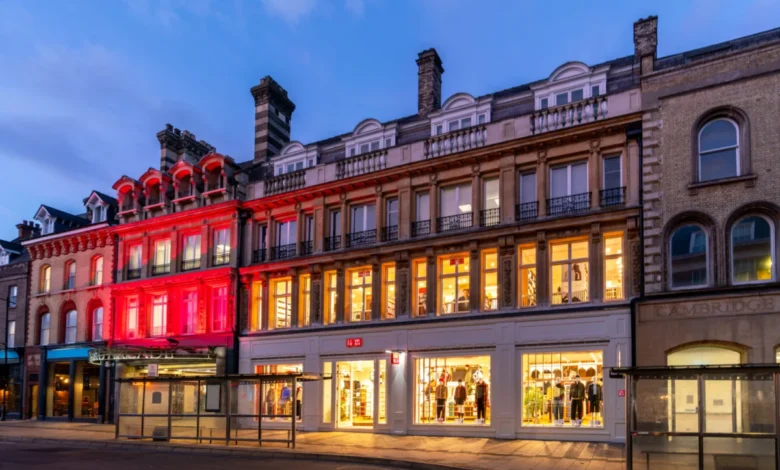
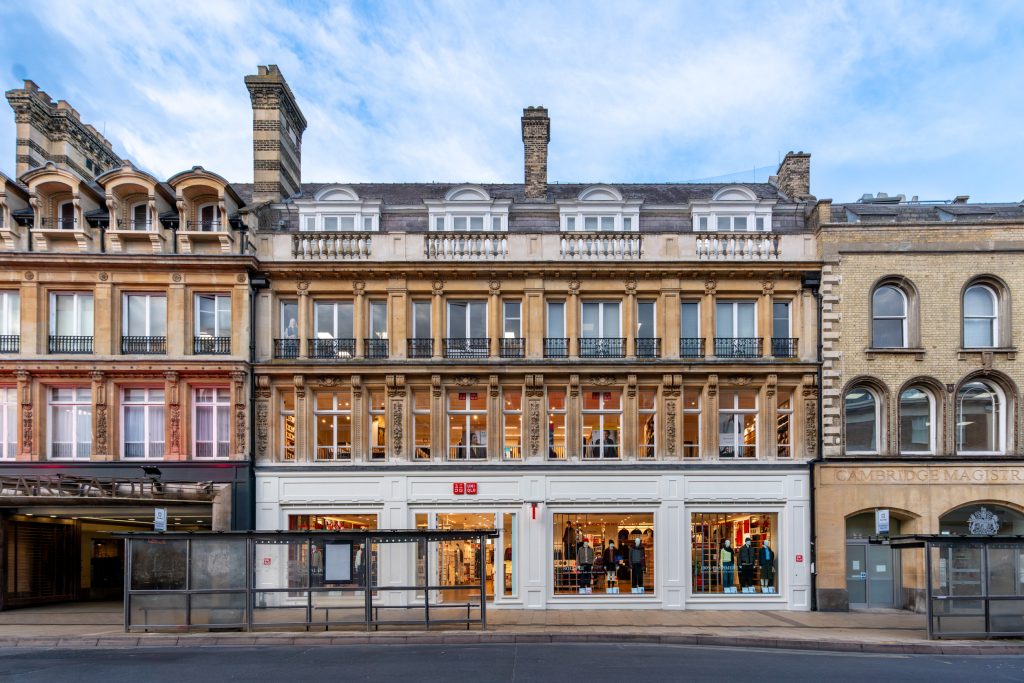
The Japanese global apparel retailer Uniqlo has officially inaugurated its 25th store in the United Kingdom, marking a significant step in the brand’s aggressive push into regional British markets. Located in the historic Grand Arcade on St Andrews Street in Cambridge, the new 880-square-metre site serves as a physical manifestation of the company’s broader "Lifewear" strategy, which emphasizes functionality, quality, and community-centric retail design. This opening is not merely a logistical expansion; it represents a calculated effort by Fast Retailing, Uniqlo’s parent company, to solidify its footprint beyond the capital and capitalize on the surging consumer demand that has made it one of the world’s most formidable fashion forces.
A Period of Unprecedented Growth
The opening in Cambridge arrives at a time when Uniqlo is experiencing a historic upward trajectory. According to research published by Kantar in May 2025, Uniqlo was officially designated as the world’s fastest-growing fashion brand. This recognition underscored a fundamental shift in consumer behavior, as shoppers increasingly pivoted toward durable, minimalist basics—the hallmark of Uniqlo’s aesthetic—rather than the transient trends of ultra-fast fashion competitors.
Financial indicators corroborate this market dominance. In July 2026, Fast Retailing reported a stellar third-quarter performance, characterized by a 45.7% surge in operating profit. This financial windfall led the company to raise its full-year profit forecast for the second time in the fiscal year. With current projections, the retailer is firmly on track to achieve its fifth consecutive year of record-breaking earnings. Such performance provides the capital intensity required for a sustained capital expenditure program, fueling the brand’s ability to secure prime retail real estate across the UK.
The Cambridge Strategy: More Than a Transaction
The selection of Cambridge for the 25th store is a tactical decision rooted in demographic profiling. Alessandro Dudech, Chief Operating Officer for Uniqlo UK, describes the city as a "natural choice," citing the unique intersection of its permanent resident population, a high-density student body, and a consistent influx of international visitors. For Uniqlo, these groups share a common denominator: they are consumers who prioritize longevity and utility in their apparel—the core pillars of the brand’s Lifewear philosophy.
The store, which spans two floors, has been meticulously curated to reflect this local identity. In a departure from a standardized "one-size-fits-all" retail approach, the Cambridge branch features exclusive collaborations with the University of Cambridge. This includes custom UTme! designs and localized embroidery services, allowing customers to personalize their garments with motifs specific to the city’s academic and architectural heritage. Furthermore, the interior features a bespoke mural by Cambridge-based illustrator Lele Saa, designed to bridge the gap between global brand identity and local cultural appreciation.
Chronology of Expansion
Uniqlo’s path to 25 stores has been a methodical, long-term endeavor. While the brand initially concentrated its efforts on London—securing high-profile locations like Oxford Street and Regent Street—the latter half of 2026 signaled a clear pivot toward secondary cities.
- Q1 2025: Initial planning for regional rollout begins as brand awareness reaches a critical mass in the UK.
- May 2025: Kantar names Uniqlo the fastest-growing fashion brand globally.
- August 2026: Official announcement of an accelerated expansion strategy, moving beyond London’s M25 orbit.
- September 24, 2026: Grand opening of the Cambridge store at the Grand Arcade.
- Q4 2026 (Scheduled): Upcoming expansion into Manchester’s Trafford Centre, providing a major anchor in the North West.
- 2027 (Projected): Targeted launches in Bath, Brighton, Canary Wharf, and Leeds.
This timeline reflects a transition from market entry to market saturation. By choosing high-footfall, affluent, and culturally significant locations, Uniqlo is effectively mitigating the risks associated with traditional brick-and-mortar retail in an era of digital dominance.

Corporate Strategy and Official Outlook
Alessandro Dudech’s comments regarding the milestone are telling. He views the 25th store not as an endpoint, but as a transitional marker in a "long-term growth journey." The strategy relies on two distinct pillars: investment in physical infrastructure and the creation of "meaningful connections" with local communities.
"We are proud to partner with the University of Cambridge on exclusive products available only at the Cambridge store," Dudech stated during the launch. "What makes this store particularly special is its connection to the local community. It is about much more than a retail space; it is about providing an experience that resonates with the character of the city."
This philosophy serves as a defense against the rise of e-commerce. By transforming retail units into community hubs that host local art and university-linked products, Uniqlo aims to build brand loyalty that cannot be replicated through an online checkout process. The brand is essentially banking on the idea that in a digital-first world, physical space is a premium asset that must offer more than just inventory; it must offer engagement.
Economic Implications and Market Impact
The broader impact of Uniqlo’s expansion cannot be understated. As a major tenant, the retailer’s arrival often acts as a catalyst for other retail brands, potentially increasing property valuations and footfall in regional shopping centers like the Grand Arcade.

From an economic perspective, the expansion provides a tangible boost to local employment and business activity. The hiring of local staff and the procurement of design services from local artists like Lele Saa demonstrate a commitment to the regional economy. However, the move also puts pressure on local competitors. By offering high-quality essentials at an accessible price point, Uniqlo is effectively disrupting the market share of legacy high-street retailers that have struggled to balance price sensitivity with quality.
Analyst sentiment suggests that Uniqlo’s success is a result of "value-based shopping." In a challenging macroeconomic climate, consumers are increasingly cautious with discretionary spending. Uniqlo’s positioning—somewhere between fast-fashion affordability and premium durability—has made it a "safe harbor" for shoppers.
Looking Ahead: The 2027 Pipeline
As the company looks toward its 2027 roadmap, the emphasis remains on strategic density. The planned stores in Bath, Brighton, Canary Wharf, and Leeds are all significant retail destinations with strong regional draws.
"Our ambition is to make Lifewear more accessible to customers across the UK by investing in both major cities and thriving regional locations," says Dudech. This ambition is supported by the sustained demand for the brand’s flagship products, such as its HEATTECH range and premium linen collections, which have performed consistently well across diverse age groups.

The success of the Cambridge opening serves as a proof-of-concept for this expansion model. If the brand can continue to integrate its global operational efficiency with local cultural nuances, the 25th store may soon be viewed as merely the halfway point in a much more extensive UK presence. As Uniqlo continues to scale, the industry will be watching closely to see if the brand can maintain its "fastest-growing" momentum while navigating the complexities of regional retail management. For now, the retailer remains a primary example of how a global brand can adapt to local needs, securing its future in the competitive and ever-evolving British retail landscape.